


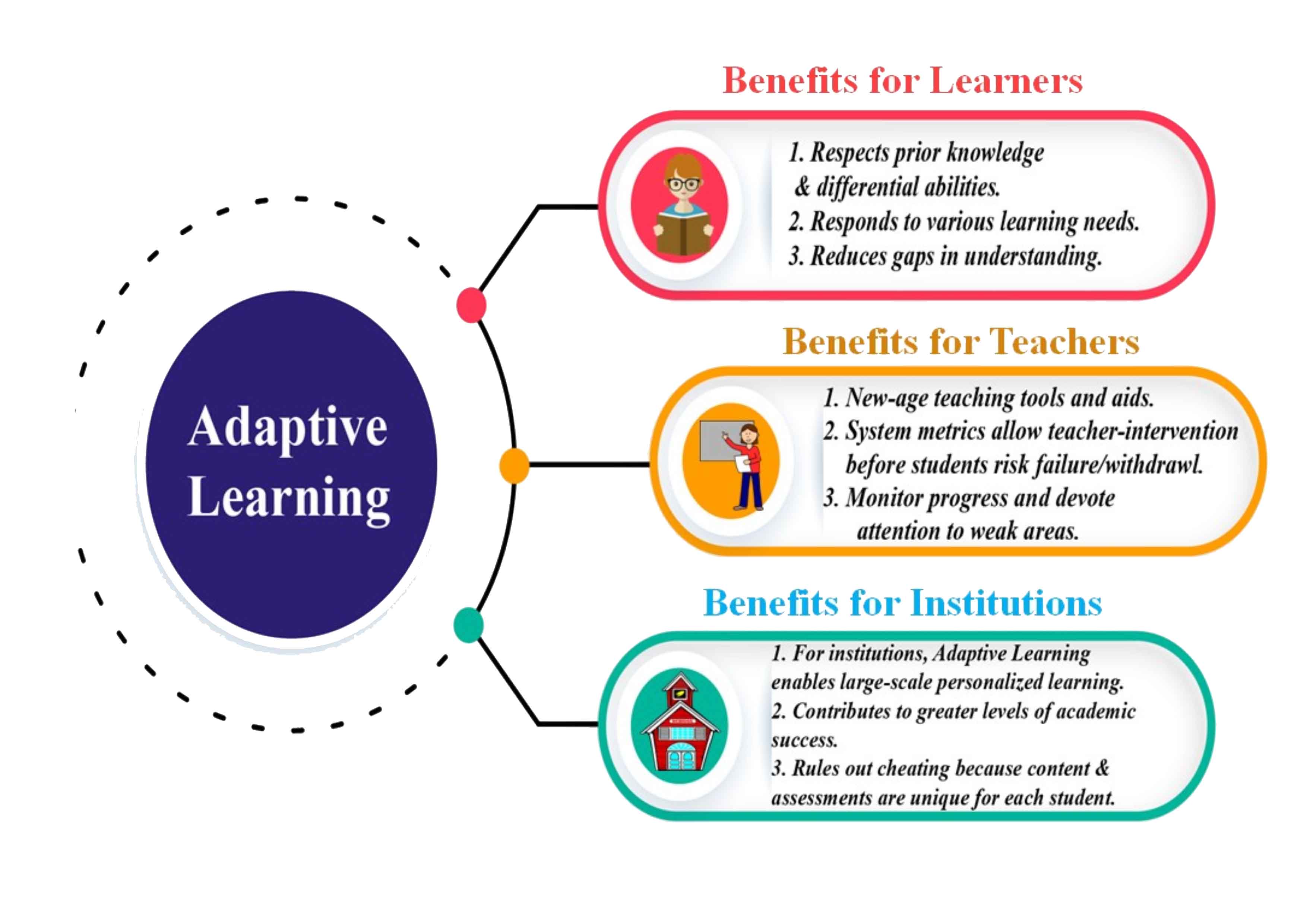

In the fast-paced world of education, traditional one-size-fits-all teaching methods are gradually being replaced by more personalized approaches. One such approach gaining traction is adaptive learning. This innovative strategy uses technology to tailor instruction to individual students, maximizing their learning potential. Let’s delve deeper into the concept of adaptive learning and explore its benefits in transforming education.
H2: Adaptive Learning: Tailoring Education to Individual Students
Adaptive learning is an educational method that utilizes technology to provide personalized instruction to students based on their unique learning needs. By analyzing individual learning patterns, preferences, and understanding, adaptive learning platforms adjust the delivery of content, pace, and difficulty level to optimize learning outcomes. This targeted approach ensures that students receive instruction that is challenging yet accessible, engaging, and relevant to their specific aptitude and skill level.
H2: How Does Adaptive Learning Work?
Adaptive learning platforms employ a variety of techniques, combining artificial intelligence (AI) algorithms, learning analytics, and data mining to create a personalized learning experience. Students interact with the platform through activities and assessments, which generate real-time data. This data is then analyzed to identify the strengths and weaknesses of each student, allowing the system to adapt and customize the learning path accordingly.
H2: The Benefits of Adaptive Learning
- Enhanced Engagement: Adaptive learning leverages interactive technologies, multimedia resources, and gamification elements to create a dynamic and engaging learning environment. Students are more motivated to actively participate in their learning journey, resulting in increased retention and understanding.
- Individualized Instruction: By tailoring content and pacing to individual students, adaptive learning ensures that each learner receives the optimal level of challenge and support. This personalized approach enables students to progress at their own pace, building confidence and preventing frustration from either being left behind or held back.
- Targeted Intervention: Adaptive learning platforms monitor and track each student’s progress, identifying areas of difficulty in real-time. The system can then provide targeted intervention strategies, such as additional practice exercises, immediate feedback, and remedial content, to address specific learning gaps.
- Continuous Assessment: Adaptive learning systems continuously assess student performance, providing instant feedback and promoting a mastery-based approach. Students receive immediate reinforcement for correct answers and guidance for incorrect responses, fostering a deeper understanding of the subject matter.
- Data-Driven Insights: By collecting and analyzing vast amounts of student data, adaptive learning platforms offer valuable insights for educators. Teachers can gain a comprehensive overview of student progress, identify common misconceptions, and adjust their instructional strategies accordingly.
H2: Challenges and Considerations
While adaptive learning offers promising benefits, its successful implementation requires careful consideration of certain challenges. These include: - Technological Infrastructure: Adopting adaptive learning platforms may necessitate an investment in hardware, software, and reliable internet access. School districts must assess their technological capabilities and ensure the necessary infrastructure is in place to support implementation.
- Teacher Training and Support: Educators need specialized training to effectively integrate adaptive learning into their pedagogical practices. Teachers should be equipped with the necessary skills to interpret data insights, provide timely intervention, and seamlessly integrate technology with traditional instruction.
- Monitoring and Security: As adaptive learning platforms collect vast amounts of student data, maintaining strict privacy and security measures is crucial. Institutions must ensure robust data protection protocols are in place to safeguard student information.
Conclusion:
Adaptive learning represents a transformative shift in education, offering personalized, tailored instruction that meets the unique needs of each student. By leveraging technology, this innovative approach helps maximize learning potential, foster engagement, and provide targeted support. As schools continue to adapt and embrace the benefits of adaptive learning, the education landscape becomes more inclusive and efficient, ensuring all students receive an education tailored to their strengths and ambitions.
Meta Description: Discover the power of adaptive learning and how it revolutionizes education by tailoring instruction to individual students’ needs. Maximize learning potential with personalized instruction.




Nice.