
Qatar, a small Middle Eastern nation, has emerged as a key player in the ongoing negotiations between Israel and Hamas. Despite having a notable conflict of interest, Qatar has managed to maintain its role as a vital mediator in these complex and sensitive talks. This article delves into the intricacies of Qatar’s involvement, shedding light on the factors that make it an indispensable player in the Israel-Hamas negotiations and the subsequent release of hostages.
Qatar’s Unique Position
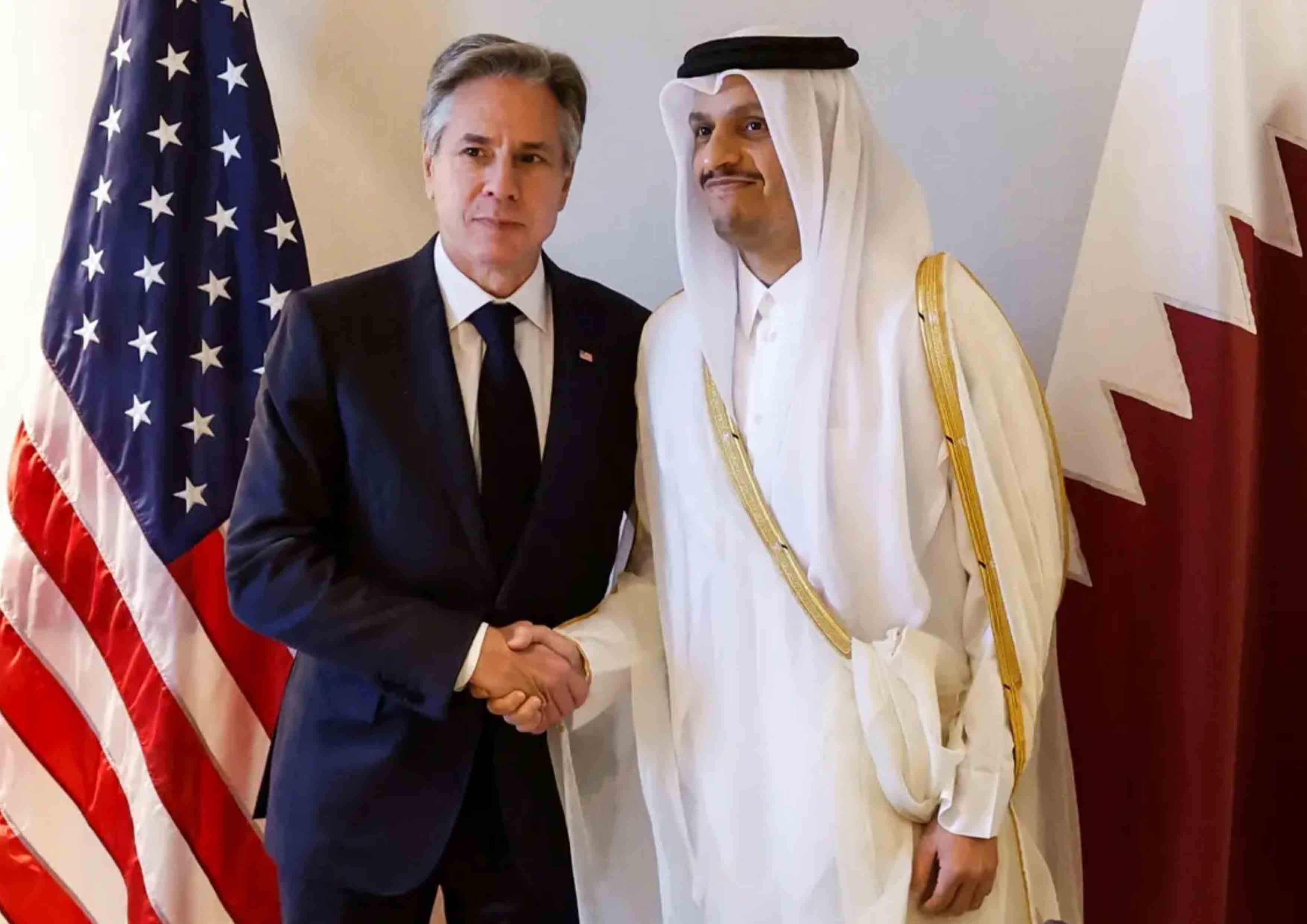
One may question why a nation with a known conflict of interest would be trusted to mediate between Israel and Hamas. Qatar’s unique position in the region grants it certain advantages and an ability to navigate diplomatic webwork. As a country with robust ties to both sides, Qatar possesses the necessary leverage and neutrality to broker deals effectively.
Balancing Act: Qatar’s Relations with Israel and Hamas
Qatar maintains diplomatic relations with both Israel and Hamas, despite the ongoing conflict between the two parties. While it may seem like an inherent contradiction, this complex balancing act allows Qatar to foster dialogues and act as a conduit for negotiations.
Qatar and Israel: Unlikely Friendship
Although Qatar is part of the Arab world and officially supports the Palestinian cause, it has managed to establish a surprisingly friendly relationship with Israel. This alliance has been bolstered by common interests in sectors such as energy, security, and regional stability. Qatar’s commitment to multilateral diplomacy and pragmatism has allowed it to engage with Israel in a constructive manner, disregarding historical grievances.
Qatar and Hamas: Mediating in Crisis
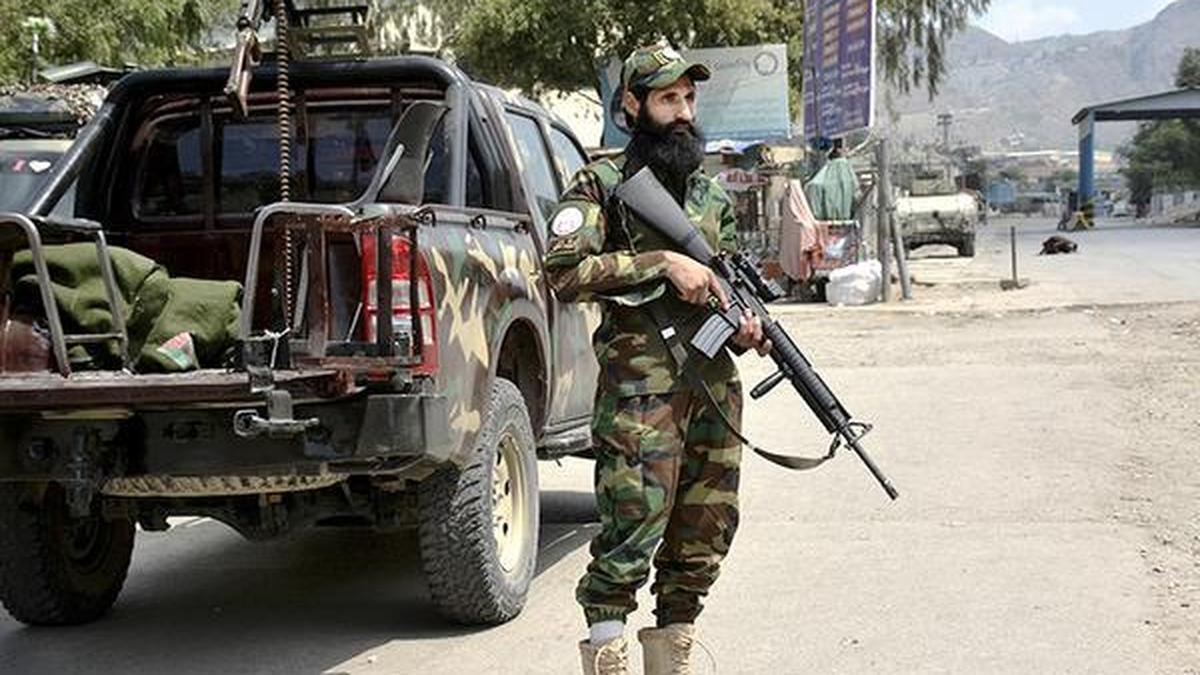
On the other hand, Qatar also maintains close ties with Hamas, the de facto governing authority in the Gaza Strip. Qatar has provided significant financial aid to Gaza, which has alleviated the socioeconomic hardships faced by Palestinians living under Hamas rule. This support has given Qatar the trust and influence needed to negotiate with the militant group and encourage a more peaceful approach.
The Role of Qatar in Negotiations
Qatar’s involvement in the Israel-Hamas negotiations plays a crucial role in advancing the peace process and seeking the release of hostages. The following factors highlight why Qatar’s engagement is deemed essential:
1. Trust and rapport building
With diplomatic relations established on both sides, Qatar has gained the trust of key stakeholders in the negotiations. Its ability to maintain open channels of communication and build rapport with relevant individuals allows for more productive and meaningful dialogue.
2. Neutrality and impartiality
Qatar’s neutrality and impartiality boost its credibility as a mediator. By remaining detached from the direct conflict, Qatar can provide an unbiased perspective and propose compromises that may not be possible for more directly involved parties.
3. Financial leverage
Qatar’s financial support to Gaza has granted it significant leverage over Hamas. This leverage can be used to encourage Hamas’s cooperation and incentivize a more peaceful resolution. Additionally, Qatar’s economic influence can support rebuilding efforts in Gaza, creating an environment conducive to negotiations.
4. Regional clout
As a regional power player, Qatar’s involvement in the Israel-Hamas negotiations carries weight both within the Arab world and on the international stage. Its diplomatic reach and influence can help garner support and push for the implementation of agreements reached during negotiations.
Hostage Release: Qatar’s Humanitarian Role
The release of hostages is a sensitive and critical aspect of the negotiations. Qatar’s involvement in facilitating these releases goes beyond its diplomatic efforts. Its commitment to humanitarian aid and mediation has yielded positive outcomes in securing the freedom of hostages.
Qatar’s unique combination of financial resources, trusted relationships, and diplomatic influence positions it as a key player in negotiating the release of hostages. Its ability to navigate complex alliances and understand the motivations of the involved parties significantly increases the chances of success in achieving these delicate resolutions.
Conclusion
Qatar’s role in the Israel-Hamas negotiations and the subsequent release of hostages cannot be understated. Despite its conflict of interest, Qatar’s unique position, balanced relations, and diplomatic finesse have elevated it to a trusted intermediary. As negotiations continue, Qatar’s expertise, authority, and trust will undoubtedly contribute to the advancement of peace and the resolution of an enduring conflict.