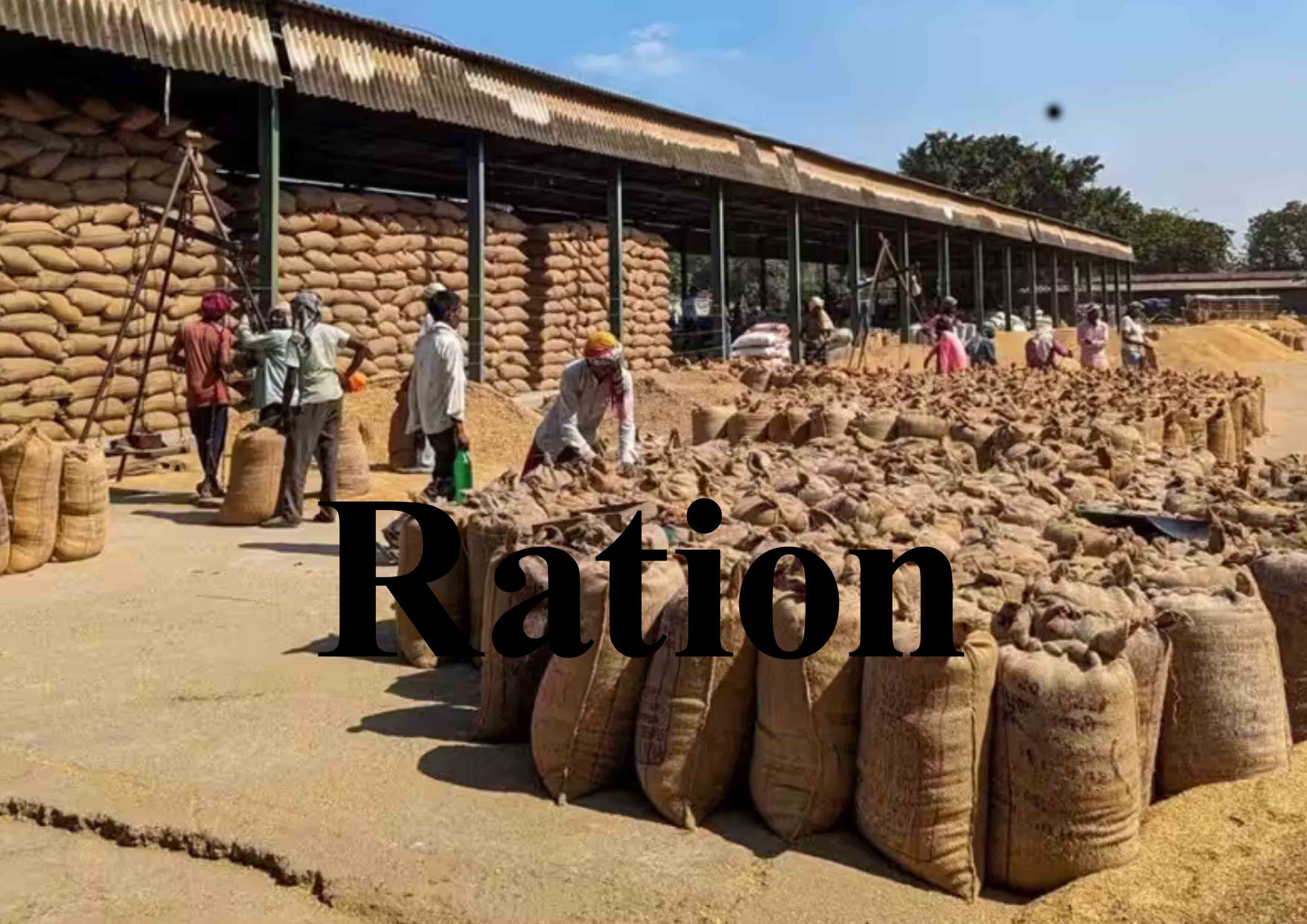

The COVID-19 pandemic has had far-reaching effects on economies and livelihoods around the world. Governments have had to step up and provide assistance to those in need, ensuring that basic necessities are met. In India, the central government has taken a proactive step by providing free ration to millions of people across the country. However, with December approaching, the question arises: will this free ration continue? Let’s delve into the details and understand the government’s stance.
Free Ration: An Essential Lifeline
During these challenging times, free ration has been a lifeline for many vulnerable individuals and families. As the pandemic brought about job losses and financial hardships, the central government initiated an ambitious program to provide food grains to those in need. Under the Pradhan Mantri Garib Kalyan Anna Yojana, eligible individuals were entitled to receive 5 kg of food grains per month. This program has been instrumental in ensuring that no one goes hungry, even in the face of economic adversity.
Centre’s Directive to States
Understanding the importance of continued support, the central government has recently directed states to continue lifting grains even after December. This move underscores the government’s commitment to ensuring food security for all individuals during the ongoing crisis. By extending the provision of free ration, the government aims to alleviate the burden on vulnerable sections of society and provide them with the sustenance they require.
The Significance of Continued Support
Continuing to lift grains beyond December is essential for several reasons. Firstly, the pandemic’s impact on the economy is far from over. Many individuals are still grappling with job losses and reduced income, making it difficult for them to afford basic necessities. By extending free ration, the government can ease the financial burden on these individuals, allowing them to allocate their limited resources to other pressing needs.
Secondly, the pandemic has exacerbated existing vulnerabilities and inequalities. Certain sections of society, such as daily wage earners and migrant workers, have been disproportionately affected. Continuing to provide free ration ensures that these marginalized groups are not left behind and have access to the nutrition they need to stay healthy.
Ensuring a Smooth Implementation
While the central government has asked states to continue lifting grains, it is crucial to ensure effective and efficient implementation of the program. States must streamline their processes and mechanisms to ensure that ration reaches the intended beneficiaries promptly. This includes addressing issues such as proper identification of beneficiaries, efficient distribution systems, and maintaining transparency to prevent any misuse or corruption.
It is also imperative for states to communicate the extension of the free ration program effectively to the public. Many individuals may not be aware of the government’s directive, and proactive efforts must be made to reach out to them. This can be done through various channels, such as local government bodies, community leaders, and social welfare organizations.
Conclusion
The extension of free ration beyond December is a commendable step taken by the central government to provide crucial support to those in need. By ensuring continued access to food grains, the government aims to alleviate the burden on vulnerable sections of society and prioritize their well-being. However, effective implementation and communication are key to the success of this initiative. With concerted efforts from both the central and state governments, we can overcome the challenges posed by the pandemic and ensure that no one goes hungry in these trying times.
SEO meta-description: The central government has directed states to continue providing free ration after December. Learn about the significance of this decision and the impact it will have on vulnerable sections of society.