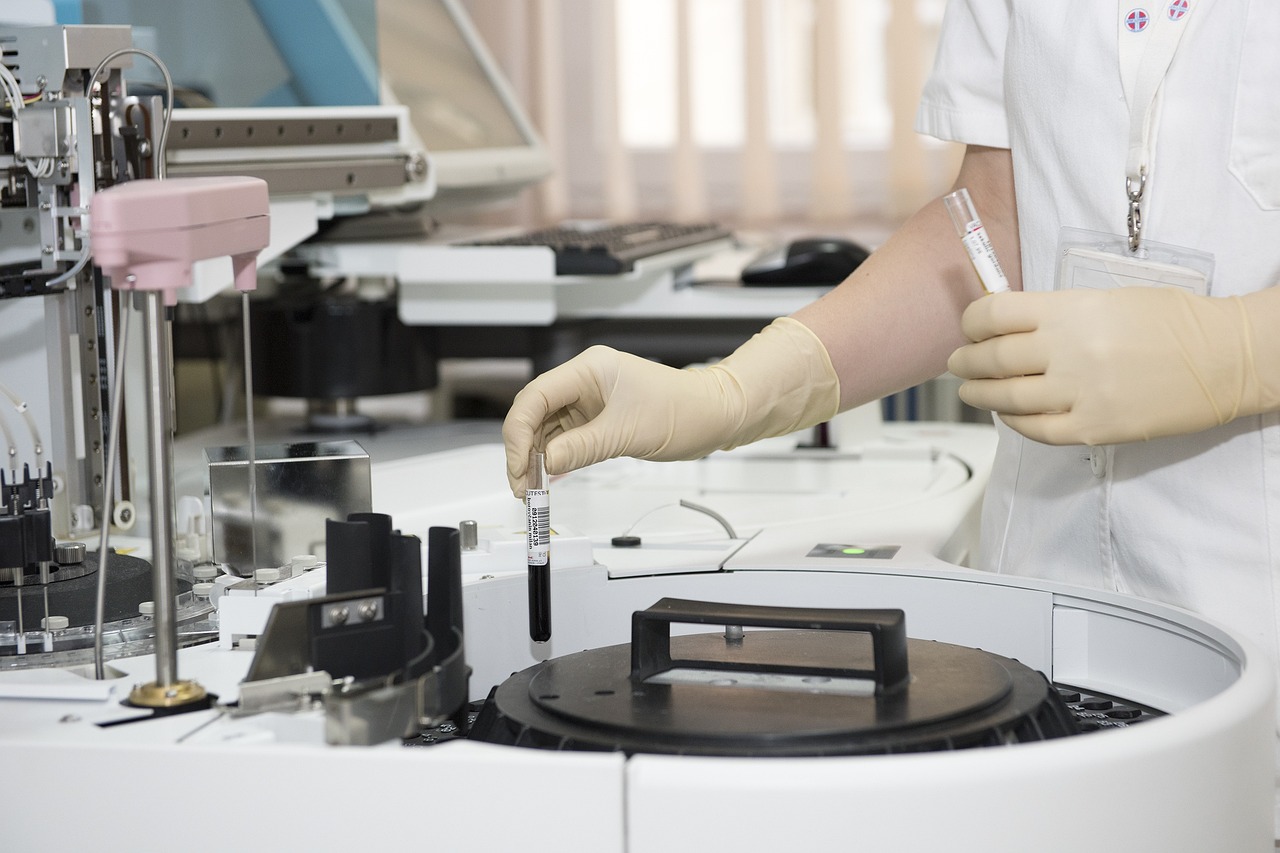

Revolutionizing Healthcare through Technology
Technology is an integral part of our lives, shaping and influencing almost every industry. In recent years, it has also permeated the field of healthcare, transforming the way doctors diagnose, treat, and manage patients. The innovative synergy of healthcare and technology has given rise to a new era in medicine, offering improved efficiency, accuracy, and patient care. This article delves into the exciting developments and advancements in healthcare technology, highlighting the immense potential they hold for the future.
Telemedicine: Bridging the Gap
Providing Accessible and Convenient Healthcare
In an increasingly interconnected world, telemedicine has emerged as a game-changer, breaking barriers and extending healthcare services to remote areas. Leveraging digital communication tools, telemedicine allows patients to consult with healthcare professionals from the comfort of their homes. This revolutionary technology not only saves time and travel expenses but also reduces the burden on overcrowded hospitals and clinics. By providing remote healthcare services, telemedicine ensures that patients, regardless of their geographical location, can receive timely medical attention.
Electronic Health Records: Streamlining Patient Data

A Secure and Efficient Approach
Gone are the days of cumbersome paper-based medical records. Electronic Health Records (EHRs) have revolutionized the way patient data is stored, managed, and shared. Digital platforms enable healthcare providers to access comprehensive patient information instantly, enhancing diagnostic accuracy and treatment decisions. EHRs eliminate the risks associated with misplaced or lost records, ensuring that medical histories, test results, and treatment plans are securely logged and easily retrievable. This streamlined approach results in improved patient safety and enhances collaborative efforts among healthcare professionals.
Artificial Intelligence in Healthcare
Redefining Diagnostic Accuracy and Treatment
Artificial Intelligence (AI) has emerged as a transformative force within the healthcare industry. Through machine learning algorithms, AI analyzes vast amounts of medical data, identifies patterns and correlations, and offers insights that aid in diagnosis and treatment decisions. AI-powered systems can detect early signs of diseases, predict potential complications, and personalize treatment plans to meet individual patient needs. By harnessing the power of AI, healthcare professionals can achieve greater accuracy, optimize resources, and ultimately save more lives.
Wearable and Remote Monitoring Devices
Empowering Patients to Take Control of their Health
The advent of wearable technology has empowered individuals to actively participate in their own healthcare journey. Devices such as fitness trackers, smartwatches, and remote monitoring tools enable users to monitor vital signs, track physical activity, and even detect early warning signs of ailments. These devices provide real-time data, allowing individuals to make informed lifestyle choices and seek timely medical attention if necessary. By promoting preventive care, wearable technology plays a pivotal role in reducing healthcare costs and improving overall health outcomes.
Robotics in Surgery
Precision and Efficiency in the Operating Room
The integration of robotics in surgical procedures has transformed the landscape of surgical interventions. Robotic-assisted surgeries offer unparalleled precision, making them ideal for delicate and complex procedures. Surgeons control robotic instruments with increased dexterity and precision, minimizing the risk of human error and improving surgical outcomes. Additionally, the use of robotics allows for minimally invasive techniques, resulting in reduced scarring, faster recovery, and shorter hospital stays. The future of surgical interventions lies in the seamless integration of human expertise and robotic technology.
Conclusion
Embracing the Future of Healthcare
As technology continues to advance at an unprecedented pace, the world of healthcare stands poised for groundbreaking transformations. The integration of healthcare and technology has the potential to improve patient outcomes, enhance the accuracy of diagnosis, and streamline medical processes. From telemedicine to AI and from wearable devices to robotic surgeries, healthcare technology is revolutionizing the way we take care of our health. Embracing these advancements is key to building a healthier future where access to quality healthcare is ubiquitous. So let us embrace this wave of innovation and harness healthcare technology’s immense potential to drive positive change for all.